



This colorful, popular garden is located behind the Lathe House and NOBG Study Center. It has been maintained by a reliable and knowledgeable group of volunteers for years. Join the Project Leader and her group to learn and to continue this historical garden momentum.
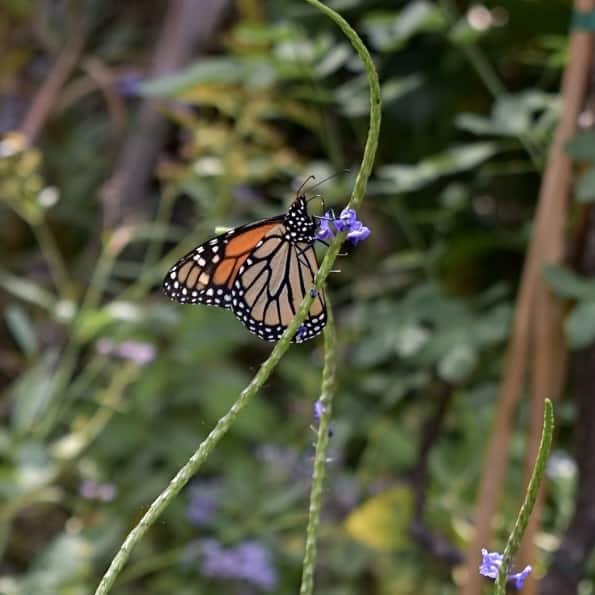
Experience the miracle of metamorphosis in the Butterfly Garden at the New Orleans Botanical Garden
Starting in 1854, when the land was donated to the City, the park began its own metamorphosis. It struggled through the Great Depression and several hurricanes, most significantly three feet of water from Katrina in 2005. But this tiny parcel of paradise known as the Butterfly Garden not only thrived, it blossomed into a well respected wildlife habitat.
Fast forward to 1980’s when two young horticulturists, Paul Soniat and Dan Gill, were just beginning their amazing careers. Both would play an important role in the development of the NOBG Butterfly Garden. Paul Soniat, as the newly appointed Director of NOBG in 1982, was inspired to create a small interior garden. He started by transporting discarded bricks from a construction site on City Park Avenue. These bricks became the border of a new Butterfly Garden and remain today.

Soon after, a new Orleans Parish agent from LSU AgCenter arrived. A young Dan Gill decided to start a volunteer program in the NOBG to help maintain the gardens. He recruited Mary Biundo, a tireless, gifted gardener, who shared Dan’s enthusiasm for the project. Other visionaries who inspired the design and development of the garden were horticulturist Jerome Libo and Frances Welden, a well known butterfly expert, `In 2006, when the Master Gardeners of Greater New Orleans organization was formed, the NOBG Butterfly Garden became its first {and now oldest} demonstration garden and volunteer project.
Through the years Mary and her team of volunteer gardeners continue to gather on Tuesday mornings to weed, plant, mulch and nurture their winged visitors. In the fall, they collect and package seeds which are sold in the NOBG Gift Shop to help support the garden.

Decades of devotion by dedicated volunteer gardeners have cultivated a buffet of welcoming host and nectar plants. Each butterfly species requires a special host plant where the female can lay eggs, larvae can hatch and feed, then transform into a mature butterfly. Host plants found in the NOBG Butterfly Garden include hyacinth bean vine for the long-tailed skipper, cassia for cloudless sulphur, citrus for giant swallowtail, fennel and parsley for black swallowtail, bishop’s weed and passion vine for the Gulf fritillary.


Host to Cloudless Sulphur
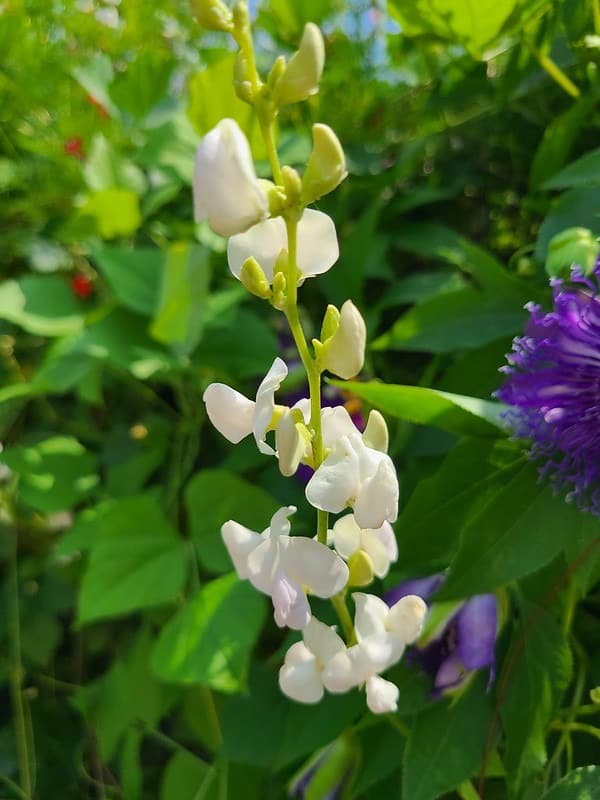
Host to Long-Tailed Skipper
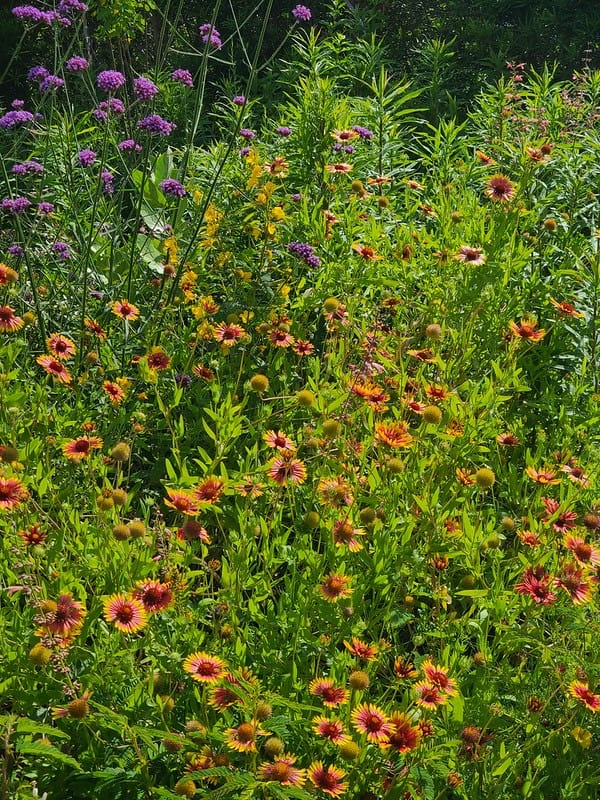
The dream is to continue the garden so that the public can learn and appreciate nature in all its glory. This includes gardening education on how and where to place a butterfly garden in your own landscape, whether it be in a large area or in a pot.

By Sandy Pitre, Master Gardener of Greater New Orleans
Photo Credits: Sandy Pitre, Linda Wegmann
